






London, UK: From 25 October next year London’s ultra-low emission zone will expand to the North and South Circular roads.
Diesel vehicles must comply with Euro 6 emission standards, while petrol vehicles must meet Euro 4.
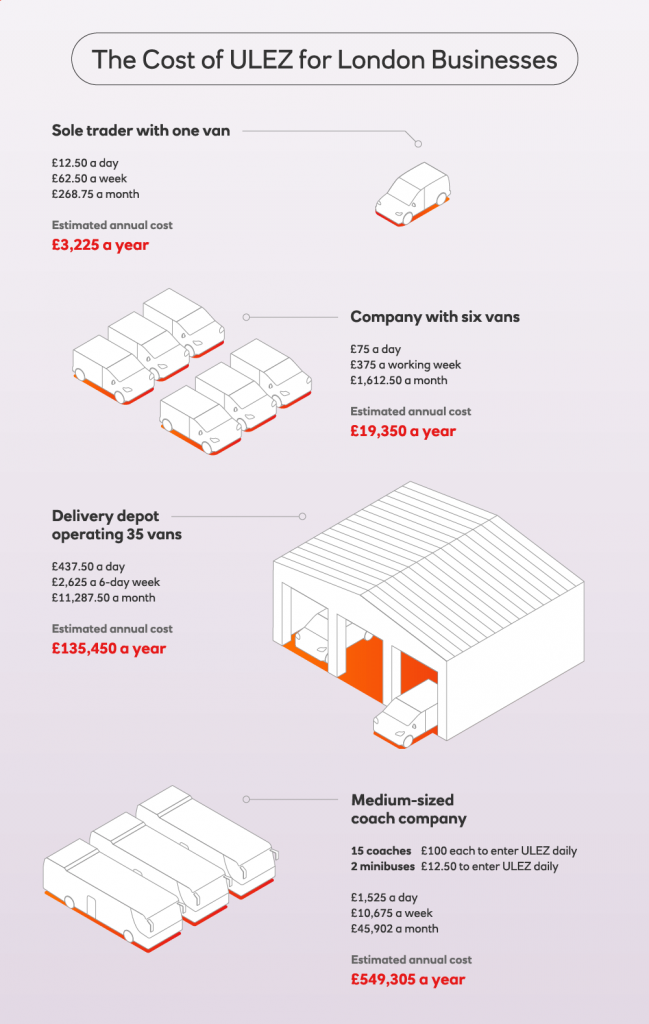
Vans (under 3.5 tonnes) will have to pay £12.50 a day to enter the zone if emission standards are not met while trucks not meeting Euro 6 will have to pay £100 to enter.
A company operating six non-compliant vans can expect an estimated annual cost of £19,350 a year to enter the zone says Lombard in a report surveying the impact of the low emission zone and vans and trucks using it.
Key findings
• Almost all (96.2%) vans on UK roads are still powered by diesel
• Out of 4.53 million light commercial vehicles (LCVs) in the UK, 61% are based inside the capital. That’s 2.77 million in and around London daily
• Nine in 10 (93%) of those are privately owned vehicles, many belonging to London-based SMEs and sole traders
• London sole traders with a single van could expect to pay up to £3,225 a year in ULEZ charges, where heavy vehicle fleets like coach companies could pay upwards of £500,000.
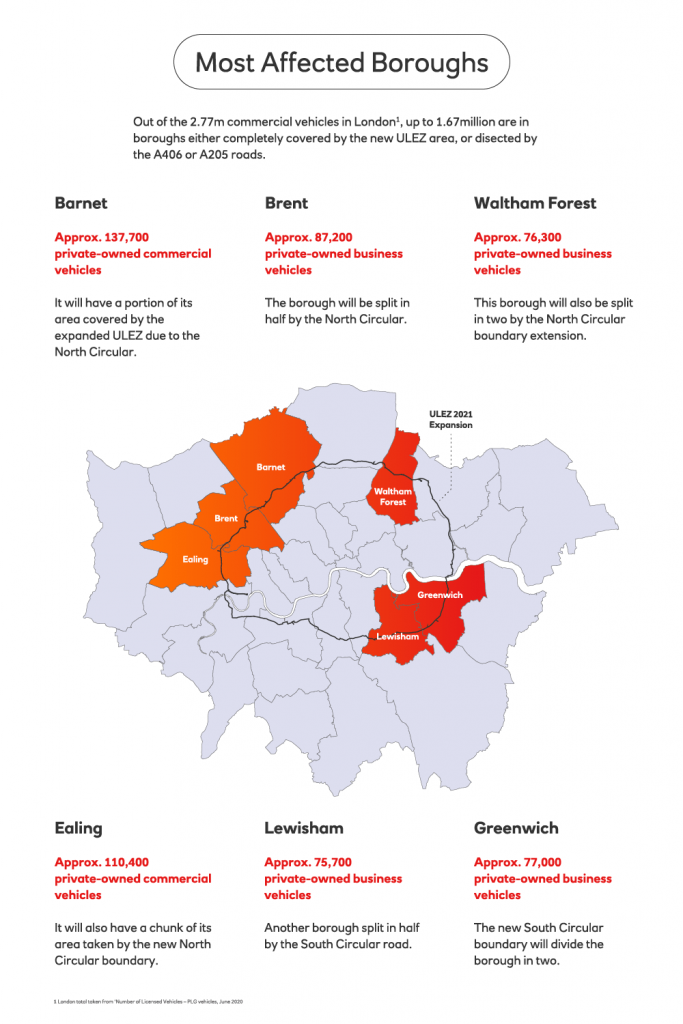
• The new boundaries will split some Boroughs in half. London Boroughs of Barnet, Ealing and Brent, have the highest amounts of private-owned commercial vehicles, meaning SMEs could have to pay to access their customer base.
• Diesel is still the fuel of choice with 96% of UK vans diesel powered. Pure electric vans account for 6.4% of vehicles.
• The 2.77 million vans in London release an approximate of 844,850 tonnes of CO2. The average tree absorbs CO2 at a rate of 48 pounds per year. London currently has 8m trees, it would need more than six times that amount (39million) to absorb current London LCV CO2 emissions.