





Reddich, UK: Oakland International is increasing its distress load capacity in Redditch, Corby, and Bardon.
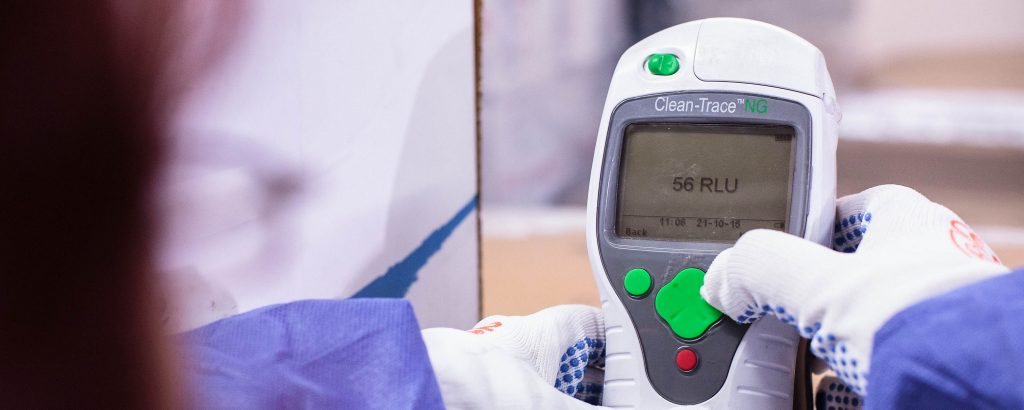
Oakland launched the distress load service in 2002 to inspect and sort product where safety was potentially challenged through clandestine infiltration or other contamination issues.
The company typically recovers more than 85% of product and is trusted by major insurers because they can attend Oakland’s sites to witness the distress load management process in action and verify exact waste and consignment recovery levels.
Lee Whiting, chief operating officer, Oakland International, said: “Brand owners and insurers are quite rightly very aware of the potential risks associated with stowaways damaging or contaminating stock in transit, and the approach of simply throwing away the whole consignment and then seeking to claim off insurers was commonplace and resulted in an ever increasing burden on insurers and hauliers with significant food waste, which otherwise would be fit for human consumption.
“By investing in a dedicated facility for distressed load management, which incorporates a CCTV monitored rework area as well as dedicated multi-temperature chambers, means we can store work in progress and in quarantine product.”
There is a box sanitising tunnel which removes potential secondary risks of coronavirus transfer via stock. Oakland also works with and treats damaged loads, metal contamination, shot loads, temperature abuse and pest contamination such as flies as part of its service offering.
“Covid-19 hasn’t impacted demand for our DLM service but it is anticipated that Brexit will have a major impact depending on delays caused at ports which handle UK-bound traffic, and throughout the transition period into Q2 of 2021 before falling away as borders become more orderly and summer temperatures make the sea crossing more tempting,” Whiting said,
“Commonly accepted risks of clandestine infiltration increase sharply when trucks are queuing or stationary near to the ports of loading. Delays in crossing times brought about by slower than normal border control checks and customs entries may result in increased numbers of clandestine activity, and with winter temperatures kicking in, the urge to use trucks rather than risk sea crossings is compelling.
“By offering a de-branding solution for brand owners it allows stock to be re-distributed through to discount wholesale, foodservice and foodbanks so that good quality food does not go to waste.”